9 July 2026
Confident in Water Doesn't Mean Safe: What Parents Should Know About Water Confidence
By Nurul Aisyah, Water Safety Instructor · Last edited 9 July 2026
One of the happiest moments for parents is watching their child become comfortable in the water.
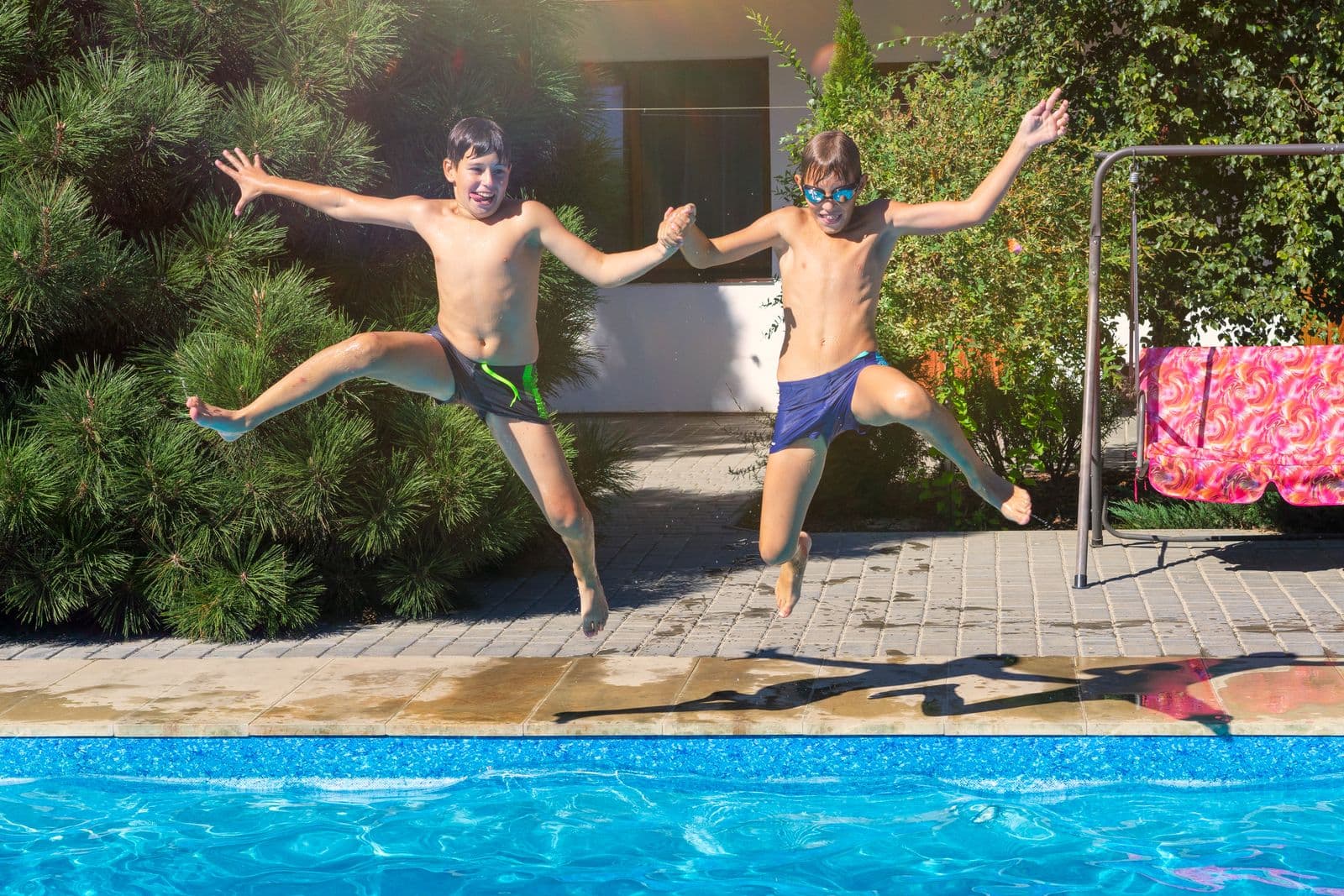
Maybe your child now jumps into the pool without hesitation. They splash around happily, move independently in shallow water, and seem excited every time swimming lessons come around.
Naturally, many parents start thinking:
"My child is becoming a good swimmer."
And in many cases, they are.
But there is an important distinction that parents sometimes miss:
Being confident in water is not always the same as being safe in water.
Many children become comfortable in the pool long before they develop the skills, awareness, and judgement needed to stay safe independently.
In fact, some swim coaches believe one of the most important stages to pay attention to is not when children are afraid of water — but when they begin feeling confident before they are fully ready.
Understanding the difference can help parents support safer and more effective learning.
Why parents sometimes confuse confidence with swimming ability
Children often show confidence before they show competence.
Confidence usually develops emotionally.
Swimming ability develops through repeated practice, skill development, and experience.
This creates situations where children appear ready for more independence than they actually are.
Parents might notice things like:
- Jumping into the pool enthusiastically
- Moving around without fear
- Splashing comfortably
- Swimming short distances
- Enjoying games in deeper water
These behaviours can look encouraging.
However, confidence alone does not necessarily mean a child can respond safely if something unexpected happens.
For example:
A child may jump into water confidently but panic if they accidentally go deeper than expected.
A child may swim several metres comfortably but struggle if they become tired.
A child may move well while playing but become disoriented if they suddenly lose balance.
Confidence can sometimes give both parents and children a false sense of security.
What real water confidence actually looks like
Real water confidence goes beyond excitement and enthusiasm.
It includes skills, control, and awareness.
Here are some signs coaches often look for.
Comfortable putting their face underwater
Children who are genuinely comfortable in water usually become relaxed about getting their face wet.
This does not mean they enjoy diving immediately.
It means they can tolerate splashes, bubbles, and brief submersion without becoming distressed.
Comfortable floating independently
Floating is one of the fundamental skills connected to water safety.
A child who can relax and float briefly without relying entirely on another person develops an important sense of control in water.
Many children initially resist floating because it feels unfamiliar.
As comfort develops, their body begins relaxing naturally.
Able to recover after losing balance
Swimming environments are unpredictable.
Children may slip, turn awkwardly, or accidentally swallow some water.
One important skill is how they respond after these moments happen.
Do they panic immediately?
Or do they regain control and continue calmly?
Recovery skills are often overlooked but can be very important indicators of confidence.
Able to move toward safety
Many parents focus on whether their child can swim forward.
Coaches often look at something slightly different:
Can the child find the wall?
Can they turn around?
Can they move toward a safe area independently?
Swimming ability is not only about moving through water. It is also about knowing how to respond.
Able to listen and follow safety instructions
Confidence also includes behaviour.
Children who understand simple instructions such as:
- Wait before entering
- Stay within boundaries
- Stop when instructed
- Ask before jumping
are developing important safety habits alongside swimming skills.
Common misconceptions parents have
There are several situations where parents unintentionally overestimate a child's readiness.
"My child can dog paddle"
Dog paddling often allows children to move short distances.
However, movement alone does not always mean efficient or controlled swimming.
Children may tire quickly and struggle over longer distances.
"My child uses floaties"
Floatation devices can help children enjoy the water.
But they can also create dependency.
Some children become confident while wearing floatation aids and then feel completely different without them.
Learning to understand body position and buoyancy is different from relying on equipment.
"My child passed SwimSafer Level XX"
Progress levels can be helpful milestones.
But swimming development is rarely a straight line.
Children may master certain skills quickly while continuing to need support in other areas.
Passing one level does not necessarily mean complete independence.
What swim coaches actually assess
Many parents judge progress using visible achievements:
- Swimming further
- Kicking faster
- Jumping independently
Coaches often observe additional factors behind the scenes.
They may look at:
- Body relaxation
- Breathing control
- Reactions to unexpected situations
- Ability to recover
- Confidence consistency
- Attention and listening
A child who appears slightly slower in developing visible skills may sometimes have stronger foundations than a child progressing quickly.
Strong foundations often create better long-term outcomes.
How parents can build safe confidence at home
Parents can support confidence development even outside formal lessons.
Some simple ways include:
Encourage water familiarity
Bath time and casual water play can help children become more comfortable.
Praise effort rather than outcomes
Instead of saying:
"You swam so far."
try:
"You were really brave trying something new today."
Avoid rushing progress
Every child develops comfort differently.
Some children need more time before they are ready for certain skills.
Continue supervision
Even children who swim confidently still require close adult supervision.
Confidence should never replace safety practices.
Final thoughts
Watching children become confident around water is exciting.
Confidence helps children enjoy swimming, participate more actively, and develop positive experiences.
But confidence and safety are not exactly the same thing.
True water confidence combines comfort, skill, awareness, and judgement.
Children build these qualities gradually over time.
If you are unsure whether your child is truly water-confident or simply comfortable playing in the pool, fill in the form and we can connect you with a suitable swimming coach who can assess your child's current abilities and guide them step by step.