23 October 2026
Why Learning to Swim Matters: A Singapore Parent's Guide to Water Safety
By Marcus Tan, Senior Swim Coach · Last edited 23 October 2026
For many families in Singapore, swimming is simply part of growing up.
We have swimming pools in condominiums, public swimming complexes, schools, hotels and holiday destinations. Many children start swimming lessons when they are still toddlers, and for some parents, swimming lessons are mainly about learning strokes, passing SwimSafer stages or becoming more comfortable in the water.
But there is another reason learning to swim matters.
It could one day give a child another chance to help themselves in the water.
Recent events in Singapore have been a painful reminder of just how quickly a normal day around a swimming pool can turn into tragedy.
In June 2026, CNA reported on the death of a three-year-old boy who drowned after entering a condominium pool while unsupervised. The State Coroner emphasised the importance of close supervision of young children around swimming pools.
For any parent, it is difficult to read about something like this.
But for my family, this subject has become even more personal.
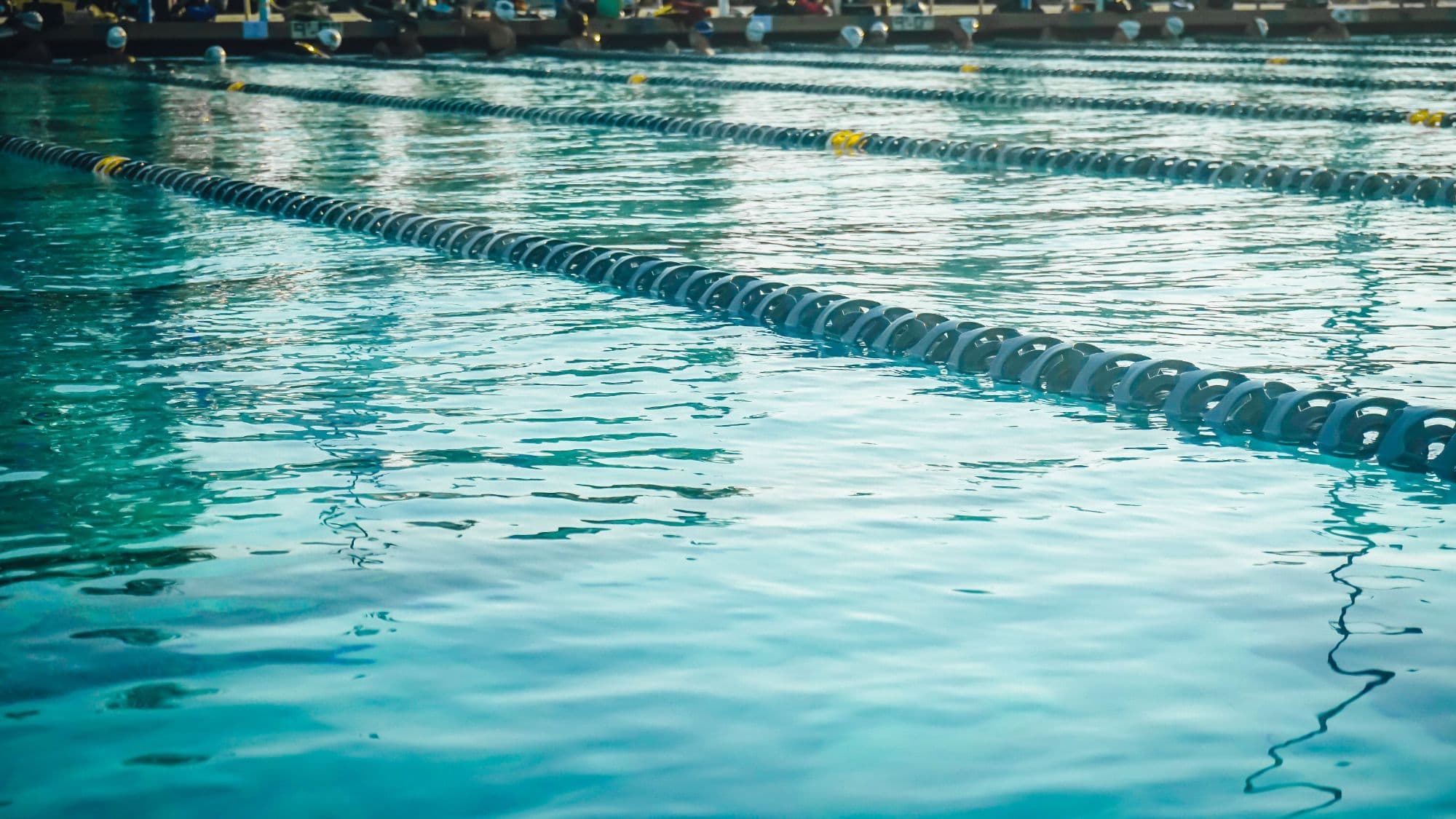
When a child from your school is no longer there
My wife is a preschool teacher.
Recently, she lost a child from her school after the child passed away over the weekend following an incident involving an unsupervised condominium swimming pool.
I won't share the child's name or details because this is a private loss for the family.
But I wanted to share what the experience felt like from the perspective of someone who works with young children every day.
When you are a teacher, the children in your class are not simply names on a register.
You see them arrive in the morning.
You hear their stories.
You watch them learn new things, make friends, get upset, laugh and grow.
You become familiar with their little personalities and routines.
So when something happens to one of them, it does not simply feel like hearing about something in the news.
There is a child you knew who is suddenly no longer coming back to school.
And behind that child is a family who has lost someone they love deeply.
There are parents who have to face something no parent should ever have to face.
There are grandparents, siblings, relatives and friends who are also grieving.
And there are teachers and school staff who are left trying to process the loss while remembering the child they knew.
It is difficult to put those feelings into words.
And it is precisely because of experiences like this that I believe learning to swim is something we should take seriously.
Learning to swim is more than learning strokes
When parents hear "swimming lessons", they may immediately think about freestyle, breaststroke, kicking or passing the next swimming stage.
Those things are important.
But swimming lessons should also help children become more capable and comfortable in the water.
A child who learns how to float, control their breathing, move through the water and recover when they lose their balance is developing skills that can be useful beyond a swimming lesson.
The goal is not to make children believe they are invincible in the water.
In fact, it should be the opposite.
Good swimming education should help children understand that water can be enjoyable, but it also needs to be respected.
But learning to swim does NOT mean a child is safe on their own
This is one of the most important things I want parents to understand.
A child knowing how to swim does not mean they can be left unsupervised.
Even children who swim well can get into trouble.
They can become tired.
They can panic.
They can fall unexpectedly.
They can get distracted.
They can be playing with friends and make a poor decision.
They can also find themselves in water that is deeper, colder or more challenging than what they are used to.
This is why swimming ability should be seen as one layer of protection, rather than a replacement for adult supervision.
The recent CNA case is a painful example of why close supervision around young children and swimming pools remains so important.
What should children actually learn?
When choosing swimming lessons for your child, it is worth looking beyond simply asking:
"Can my child swim?"
A better question is:
"What can my child do if something unexpected happens in the water?"
Depending on their age and ability, children should gradually develop skills such as:
- Being comfortable putting their face in the water
- Controlling their breathing
- Floating and staying up while floating
- Turning themselves around in the water
- Moving through the water independently
- Getting to the side of the pool
- Recovering after losing their balance
- Listening to and following water-safety instructions
- Understanding when they should not enter the water without an adult
These skills take time.
A three-year-old beginner will obviously have very different abilities from a ten-year-old who has been swimming for several years.
The important thing is that children continue building their skills at an appropriate pace.
Swimming lessons cannot replace supervision
There is sometimes a dangerous assumption that once a child has attended swimming lessons for a while, parents can relax around the pool.
I would strongly discourage this.
Think of it this way:
Swimming lessons teach a child what to do in the water. Supervision helps prevent them from getting into danger in the first place.
We need both.
If you are at a condominium pool with your child, being nearby and actively paying attention still matters.
If your child is playing around the pool, don't assume that being able to swim means they are automatically safe.
And if a child is young or still learning, the level of supervision needs to be even greater.
Start learning before you think they "need" it
One of the reasons I encourage parents to introduce children to swimming early is not because every child needs to become a competitive swimmer.
It is because water familiarity and basic swimming skills take time to develop.
Children who are afraid of water may need many lessons simply to become comfortable putting their face underwater.
Some children need more time to learn how to float.
Others may be physically capable but struggle to remain calm when something unexpected happens.
These foundations matter.
Swimming should not only be about getting from one end of the pool to the other.
It should also be about gradually developing comfort, control, awareness and respect for the water.
For parents, it can feel like just another lesson
As a swim coach, I understand why parents sometimes look at swimming lessons as another weekly activity.
There are school activities.
There is childcare.
There is enrichment.
There is homework.
There are weekends that are already packed.
It is easy to think:
"We'll get around to swimming lessons eventually."
But after seeing how deeply a child's passing can affect a family and even the teachers who cared for that child, I look at swimming lessons a little differently.
We cannot predict every situation our children will encounter.
We cannot remove every risk from their lives.
But we can give them skills that may help them respond if they ever find themselves in an unexpected situation around water.
And we can teach them to respect water from a young age.
A final message to parents
I don't want this article to make parents afraid of swimming pools.
Swimming is something children should be able to enjoy.
They should be able to splash, play, learn and build confidence in the water.
But I hope parents also remember that water safety is a responsibility shared between children and adults.
Teach your child to swim.
Teach them water safety.
Build their confidence gradually.
But continue supervising them.
Because behind every swimming lesson is more than just learning another stroke.
It is about giving our children skills that could stay with them for life.
And sometimes, the things we teach our children today may become much more important than we ever expected.
Looking for swimming lessons for your child?
If you're looking for a swimming coach in Singapore, fill in the form and tell us a little about your child, your preferred location and your preferred lesson timing.
We'll help connect you with a suitable coach who can work with your child's current ability and help them build their swimming and water-safety skills step by step.
Remember: learning to swim is important. But no swimming ability replaces active adult supervision around water.